Common Business Card Printing Terms Explained in Simple Words
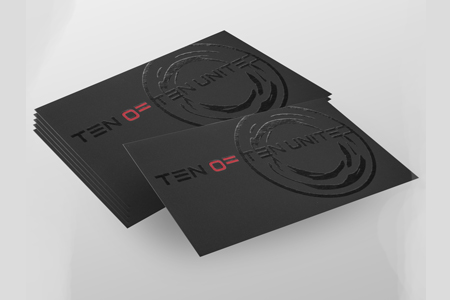
Despite its small size, a business card has a significant impact. It is frequently the first physical reminder of your business that a person retains on their desk or in their wallet. A well-made card silently conveys your seriousness, professionalism, and attention to detail as a business owner. However, many individuals make preventable mistakes while business card printing in Dubai because they are confused by technical printing terms. So to help you make decisions with confidence, this blog breaks down the most common printing terms. Knowing them will help you save money and get better results.
Paper Stock: The Actual Material of Your Card
Paper stock means the thickness, texture, and quality of the paper used to make your business card. You may come across terms like GSM, matte stock, and textured stock. GSM just refers to the paper’s thickness. A higher GSM feels more robust and luxurious in the hand. Textured stock provides a traditional or creative touch, whereas smooth stock seems clean and modern. Selecting the proper stock guarantees that your card won’t feel cheap or bend easily.
Finish: The Look and Feel of the Card
After printing, the card’s final surface treatment is called finish, which affects durability as well as attractiveness. Matte, glossy, and soft-touch coatings are common. Soft-touch feels silky and high-end, glossy adds sheen and color depth, and matte feels smooth and minimizes glare. Additionally, finishes prevent ink from smearing or fading. Learning these terms is beneficial for a variety of print requirements, since many vendors that also provide affordable pamphlet printing in Dubai offer comparable finishes.
Bleed, Trim, and Margin: Avoiding Ugly Edges
Clean-looking cards require these three terms. Bleed refers to stretching your design slightly beyond the card’s final size so that no white edges appear after cutting. Trim refers to the actual cutting of the card, and the card’s margin is the secure area where text should remain. Ignoring them may result in cut-off text or uneven borders.
CMYK and RGB: Why Colours Change After Printing
On screens, designs frequently seem brighter than on printed cards. This is because printers use CMYK color mode, whereas displays use RGB. CMYK creates color by combining four ink colors. Colors may seem dull or different if a file is not converted correctly. This is particularly important for brand logos. For reliable results, many packaging-related companies, such as a BOPP tapes supplier in the UAE, operate exclusively in CMYK.
Proofing: Verifying Before Final Print
Before the entire print run, a proof is a sample of your business card. You may use it to verify the layout, colors, alignment, and spelling. You can get digital as well as physical proofs. Hundreds of cards may become useless if proofreading is neglected, as this is your final opportunity to correct mistakes at no further expense.
The bottom line
Be aware of printing terms to control the quality and cost of your business cards. You may prevent misunderstanding and get better results when you understand what paper stock, finish, bleed, and proofing actually mean. This information is invaluable if you are planning to invest in business card printing in Dubai, where there is fierce competition and first impressions count.
FAQs
Why is the thickness of the paper important for business cards?
Compared to thin cards that tear or bend easily, thicker paper makes a stronger first impression, feels more professional, and lasts longer.
Which finish of business cards is ideal for regular usage in the workplace?
Because it minimizes glare, prevents fingerprints, and makes writing on the card surface simple, a matte finish is useful for everyday usage.
Is it possible to totally prevent color variations while printing?
While exact color matching is challenging, unexpected color changes can be significantly reduced by using CMYK mode and approving a proof.
Is proofing actually a must for small print quantities?
Yes, proofing guarantees correctness and avoids expensive errors, even in small batches when reprinting can still be costly and time-consuming.
How long should a business card design be in style?
As long as contact information and branding are updated and consistent, a simple design can continue to be useful for many years.
Latest Posts
February 19, 2026
When you’re launching...

February 13, 2026
A label looks...

January 30, 2026
The first thing...