

How Businesses Use Label Printing to Improve Product Identification
A product may look perfect on the shelf, but without the right label, customers and employees may struggle to identify it. Labels quietly guide everything from warehouse organization to customer purchasing decisions. That is why businesses invest in clear and accurate labeling systems. With professional label printing in Dubai, companies can ensure every product carries essential information that improves recognition, tracking, and compliance. In this guide, you will discover how effective labeling strengthens product identification across industries and why thoughtful label strategies matter more than most businesses realize.
What Is Product Identification?
Product identification refers to the process of clearly marking products with information that helps businesses, employees, and customers recognize them instantly. This information often includes product names, barcodes, serial numbers, manufacturing details, expiry dates, and brand elements. Proper identification ensures that products move efficiently through supply chains, warehouses, retail shelves, and final delivery to customers.
Why Label Printing Matters for Businesses
Labels act as the communication bridge between a product and the people handling it. Without accurate labels, even well-organized operations can face confusion, delays, and costly mistakes.
From inventory tracking to regulatory compliance, printed labels play an important role in maintaining operational accuracy and ensuring products are identified correctly at every stage.
Smart Ways Businesses Use Label Printing for Product Identification
Clear Product Naming and Classification
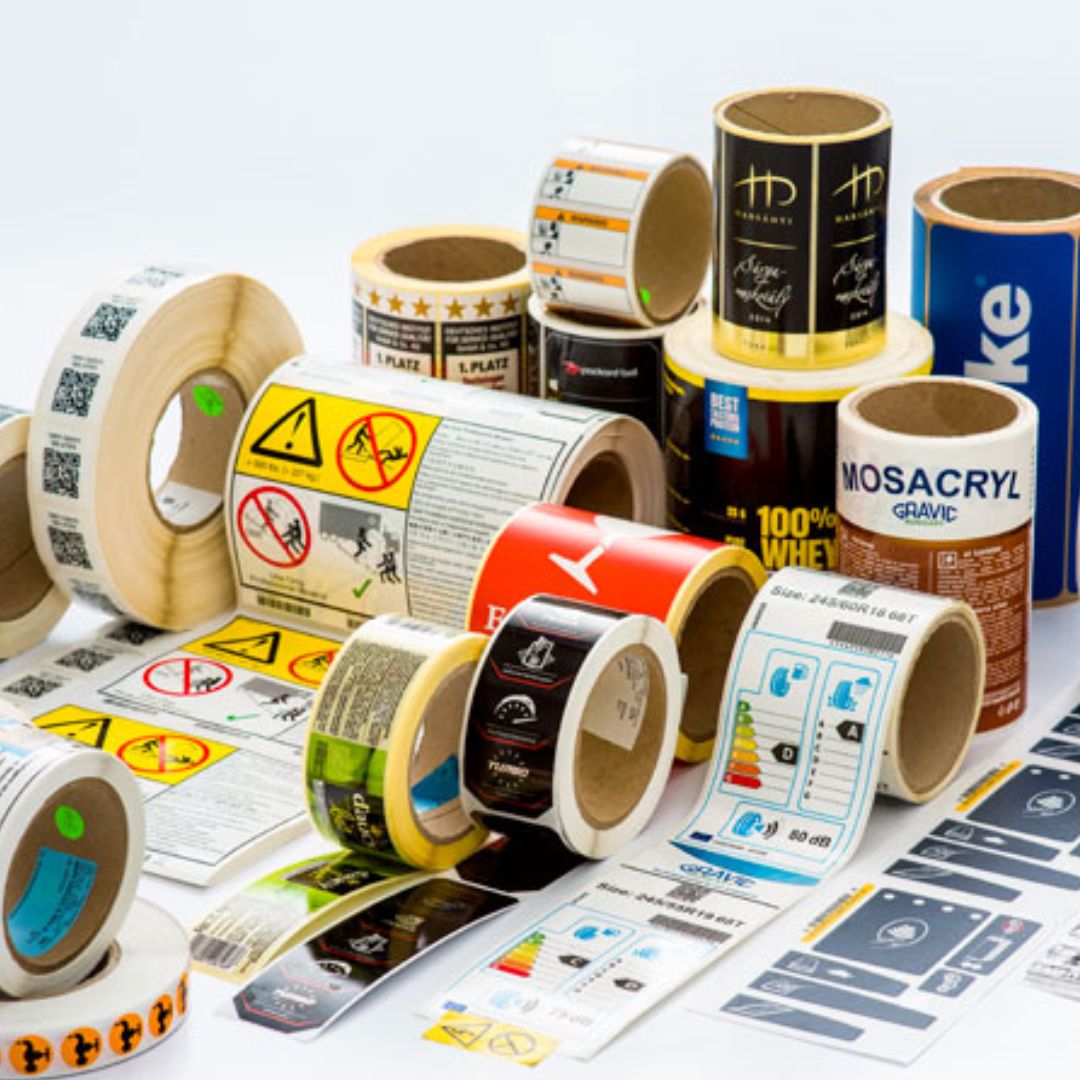
Businesses use labels to clearly display product names, categories, and specifications. This helps warehouse teams and retail staff quickly recognize items without opening packaging. Clear classification also reduces picking errors, especially when companies manage hundreds or thousands of similar products.
Barcode Integration for Instant Scanning
Barcode labels allow businesses to identify products instantly through scanning systems. Each barcode connects to digital records that store product details, inventory counts, and pricing information. Companies often rely on suppliers such as an affordable barcode ribbons supplier in the UAE to maintain consistent printing quality for scanning accuracy.
Batch Numbers and Traceability
Many industries require traceability in case of recalls or quality checks. Labels often include batch numbers or production codes that link products to specific manufacturing runs. This allows companies to track where a product originated and quickly address any quality concerns.
Expiry Dates and Safety Information
In sectors like food, pharmaceuticals, and cosmetics, labels communicate critical safety details. Expiry dates, storage instructions, and usage warnings help customers and employees handle products safely. Clear labeling also helps businesses meet regulatory requirements and avoid compliance issues.
Visual Identification Through Color Coding
Some businesses use color-coded labels to identify products quickly. For example, different colors may represent product categories, storage zones, or priority levels. This visual system allows warehouse staff to recognize items instantly without reading detailed text.
Serial Numbers for Unique Product Tracking
High-value or technical products often include serial numbers printed on labels. These unique identifiers allow businesses to track each product individually. Serial labeling helps with warranty management, maintenance records, and product authentication.
Logistics and Shipping Labels
Shipping labels ensure products reach the correct destination. They typically include addresses, order numbers, barcodes, and handling instructions. Accurate shipping labels reduce delivery errors and help logistics teams manage large volumes of shipments efficiently.
Branding and Customer Recognition
Labels do more than identify products internally. They also communicate brand identity to customers. A well-designed label combines product information with brand elements such as logos, colors, and typography. This helps customers recognize products instantly on retail shelves.
Choosing the Right Label Printing Approach
Businesses often evaluate several factors when selecting a labeling strategy. The right choice depends on product type, printing technology, durability needs, and operational environment. For example, warehouse environments may require durable labels that resist moisture and abrasion. Retail products may focus more on design clarity and branding. Choosing the right printing materials and equipment ensures labels remain readable throughout the product lifecycle.
Common Industries That Rely on Product Labeling
- Many sectors depend heavily on accurate labeling systems.
- Retail and E-commerce use labels for inventory control and pricing.
- Manufacturing relies on labels for production tracking and compliance.
- Healthcare and pharmaceuticals require precise identification for safety and regulation.
- Logistics companies depend on labels to track shipments across multiple destinations.
In each case, effective labeling improves operational clarity and reduces the chance of costly errors.
The bottom line
Product identification may seem like a small detail, but it plays a major role in how businesses operate every day. Clear labeling helps employees manage inventory, supports logistics teams during shipping, and ensures customers receive accurate information about the products they buy. Companies that invest in reliable labeling systems create smoother operations and stronger product recognition. With professional label printing in Dubai, businesses can build identification systems that support efficiency, accuracy, and long-term brand trust across every stage of the supply chain.
FAQs
Why is label printing important for product identification?
Label printing helps businesses display product names, barcodes, safety information, and batch numbers clearly. This improves tracking accuracy, reduces operational errors, and helps customers identify products quickly.
What information should a product identification label include?
A product label usually contains the product name, barcode, batch number, expiry date, and manufacturer details. Some labels also include instructions, safety warnings, or branding elements.
How do barcodes improve product identification?
Barcodes allow products to be scanned using digital systems. Each barcode connects to stored data, helping businesses manage inventory, pricing, and order processing more efficiently.
Can label printing improve warehouse operations?
Yes. Clear and consistent labeling helps warehouse staff locate products faster, reduces picking mistakes, and improves inventory management across large storage facilities with multiple product categories.
What industries benefit most from label printing systems?
Industries such as retail, manufacturing, logistics, food production, and healthcare depend heavily on labeling systems to maintain product traceability, ensure compliance, and improve supply chain accuracy.
Latest Posts


February 19, 2026
When you’re launching...
February 13, 2026
A label looks...