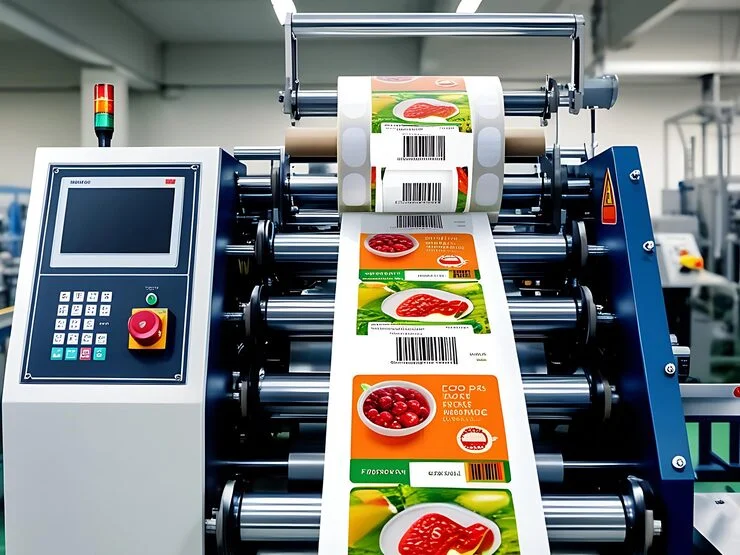
What Makes a Custom Label Design Eye-Catching Without Becoming Overcrowded?

Custom Label & Sticker Printing Solution Dubai

Ever picked up a product just because the label made you stop mid-aisle, then put it right back down because it looked like a billboard crammed onto a two-inch sticker? That’s the fine line every brand walks, and getting it right is exactly what a custom label & sticker printing solution in Dubai is built for. Keep reading, because the next few minutes will show you how to grab attention without drowning your design in noise.

Understanding the Real Job of a Label

A label is a silent salesperson. It has roughly three seconds to communicate what a product is, why it matters, and why someone should trust it. That pressure is exactly why so many designs end up overloaded with text, icons, and colors fighting for the same space.

Overcrowding happens when every piece of brand information gets squeezed onto one surface out of fear that leaving something out means losing a sale. The result is visual noise where nothing stands out because everything is shouting at once.

Core Principles Behind Eye-Catching Labels

White Space Is Not Empty Space

Blank space around text and graphics isn’t wasted room; it’s what lets the eye rest and focus on what actually matters. A label with breathing room feels premium and easy to scan, while a packed one feels cheap and rushed.

Hierarchy Guides the Eye

Hierarchy means arranging elements so the most important detail, usually the brand name or flavor, is seen first, followed by supporting details in a clear order. Without hierarchy, a reader’s eye bounces around with no path to follow.

Color Restraint Speaks Louder

  • Stick to two or three core colors so the palette feels intentional rather than accidental
  • Use a single accent color to highlight one key detail, like “new” or “limited edition”
  • Avoid gradients or clashing tones that compete with the product name for attention

Practical Design Moves That Keep Labels Clean

Typography That Doesn’t Compete With Itself

Pick one primary font for the brand name and a simple secondary font for details like ingredients or instructions. Mixing more than two font families almost always creates visual clutter that distracts from the product’s actual message.

Icons Over Paragraphs

Small icons for things like “vegan,” “sugar free,” or “eco packaging” communicate faster than a sentence ever could. They save space, add visual interest, and let shoppers absorb key facts in a single glance rather than reading fine print.

Sizing for the Right Surface

Design choices shift depending on format and scale, which is exactly why working with A4 sheet label suppliers in Dubai matters when a brand needs consistent proofing across bulk print runs before committing to a full production batch.

Testing Before You Commit

The Squint Test

Print a draft, hold it at arm’s length, and squint. If one element doesn’t jump out immediately, your hierarchy needs work. This simple trick mimics how a shopper glances at a shelf from a few feet away.

Get Outside Eyes On It

Show the design to someone unfamiliar with the brand and ask what they notice first. If their answer isn’t the thing you intended to highlight, the layout needs rebalancing before it goes anywhere near a print run.

Common Mistakes That Sneak In Unnoticed

Squeezing In Every Certification Badge

Not every certification needs equal visual weight on the front. Reserve the primary badges for the front label and move secondary ones to the back or side panel where curious buyers can still find them.

Ignoring Negative Space Around Text

Cramming text edge to edge without margin makes even short copy feel overwhelming. Give every line of text room to breathe, since tight spacing is one of the fastest ways to make a clean design look chaotic.

The bottom line

A label that grabs attention and still feels calm isn’t about doing more; it’s about knowing what to leave out. Whether you’re refining fonts, testing hierarchy, or sourcing materials through a custom label & sticker printing solution in Dubai, the goal stays the same: say less, show more, and let the design breathe.

FAQs

How many design elements are too many for one label?

There’s no fixed number, but if a shopper can’t identify the product and one key benefit within three seconds, the label likely has too many competing elements.

Should every product line share the same label template?

A shared template builds recognition, but small color or icon variations per flavor or size help shoppers tell products apart quickly without redesigning the entire layout from scratch.

Is a matte or glossy finish better for readability?

Matte finishes reduce glare and often read more clearly under bright store lighting, while glossy finishes can make colors pop but sometimes wash out text under strong light.

Can a minimal label still feel premium for budget brands?

Absolutely, minimal design often reads as premium regardless of price point, since clean layouts signal confidence and quality even when the product itself is positioned as affordable.

How often should a brand refresh its label design?

Most brands revisit label design every two to three years, or sooner if shelf feedback, sales data, or a rebrand suggests the current look no longer stands out.

How Can Businesses Reduce Packaging Costs When Buying Printed BOPP Tape in Bulk?

BOPP tapes supplier UAE

Picture this: your warehouse ships hundreds of boxes weekly, and every roll of tape you use quietly eats into your margins. Multiply that by months, and packaging becomes a real budget drain. Working with the right printed BOPP tapes suppliers in Dubai can flip that story entirely. Keep reading, because the strategies below could reshape how much you’re actually spending on packaging.

Understanding Why BOPP Tape Costs Add Up So Fast

Before cutting costs, it helps to understand where the money actually disappears during regular packaging operations.

The Hidden Expense of Frequent Reordering

Many businesses order small batches repeatedly instead of planning ahead. Frequent reordering means paying premium per-unit prices and covering shipping charges multiple times, costs that shrink dramatically once purchasing shifts toward larger, planned quantities.

Custom Printing Without Cost Awareness

Branded tape looks professional, but poor planning around design changes or small print runs inflates costs unnecessarily. Locking in a consistent design before bulk ordering avoids repeated setup fees that quietly pile up over time.

What Bulk Buying Actually Means for BOPP Tape

Understanding this purchasing model clarifies why it’s such an effective cost-saving approach for growing businesses.

Defining Bulk BOPP Procurement

Bulk BOPP procurement refers to purchasing large tape quantities in a single order rather than smaller, frequent batches. This approach reduces per-roll pricing significantly while ensuring consistent stock availability for ongoing packaging needs.

Economies of Scale Explained Simply

Suppliers reduce costs per unit as order volume increases, since production and material costs get distributed across more rolls. Larger orders essentially let you pay less for the same quality and quantity of tape.

Smart Sourcing Strategies That Actually Cut Costs

Beyond order size, how and where you source your tape plays a major role in overall savings.

Choosing the Right Local Supplier

Partnering with established printed BOPP tapes suppliers in Dubai eliminates international shipping delays and import duties that inflate costs. Local sourcing also allows faster reordering when stock runs low unexpectedly.

Negotiating Long-Term Supply Contracts

Committing to a supplier for six or twelve months often unlocks discounted rates unavailable through one-time purchases. Long-term contracts also stabilize pricing, protecting your business from sudden raw material cost fluctuations.

Practical Ways to Trim Packaging Expenses Further

A few operational adjustments can meaningfully reduce costs without compromising packaging quality or brand presentation.

  • Standardize tape width and thickness across products to avoid holding excess inventory of multiple variants.
  • Order printing plates once and reuse them across multiple bulk orders to avoid repeated design costs.
  • Track actual tape usage monthly to avoid over-ordering stock that sits unused in storage.

Bundling Packaging Needs With Other Print Services

Some businesses combine tape orders with related printing needs, like brochure printing services in Dubai, to negotiate better overall rates. Suppliers often offer bundled discounts when handling multiple packaging and marketing materials together.

Quality Considerations That Prevent Costly Mistakes

Avoiding Cheap Tape That Costs More Long-Term

Extremely low-priced tape often tears easily or loses adhesion, leading to damaged shipments and unhappy customers. Investing in mid-range quality tape usually prevents these costly, reputation-damaging packaging failures down the line.

Wrapping This Up

Working with reliable printed BOPP tape suppliers in Dubai and adopting smarter bulk buying habits genuinely lowers packaging costs over time. Plan ahead, negotiate wisely, and treat packaging as a strategic expense rather than an afterthought, and your bottom line will notice the difference.

Frequently Asked Questions

How much can businesses typically save by switching to bulk BOPP orders?

Savings vary, but many businesses report noticeably lower per-roll costs, often twenty to thirty percent less than repeated smaller purchases from the same supplier.

Is custom printed tape more expensive than plain tape in bulk?

Slightly, due to design and plate setup costs, but bulk quantities significantly reduce this gap, making branded tape surprisingly affordable when ordered in larger volumes.

How do businesses avoid overstocking tape during bulk purchases?

Tracking monthly usage patterns and forecasting seasonal packaging needs helps businesses order appropriate quantities, preventing excess inventory from sitting unused and tying up storage space.

Can small businesses realistically benefit from bulk BOPP tape orders?

Yes, even smaller businesses can negotiate reasonable bulk pricing tiers with local suppliers, especially when committing to repeat orders over several months rather than one-time purchases.

Does tape thickness affect overall packaging cost efficiency?

Yes, thicker tape often means fewer rolls needed per shipment cycle, ultimately reducing reorder frequency and offering better long-term value despite a slightly higher upfront price.

Why Are Packaging Label Suppliers Essential for Retail and E-commerce Brands?

Packaging Label Suppliers in UAE

In today’s competitive retail and online marketplace, product presentation can influence buying decisions as much as product quality. Choosing reliable Packaging Label Suppliers in UAE helps businesses create professional, durable, and compliant labels that strengthen brand identity and improve inventory management. Whether you’re selling in retail stores or shipping directly to customers, high-quality labels ensure products look trustworthy while keeping operations organized.

What Do Packaging Label Suppliers Do?

Packaging Label Suppliers in UAE provide customized labeling solutions for businesses across industries, including retail, logistics, healthcare, food, manufacturing, and e-commerce. Beyond simply printing labels, they offer solutions designed for different packaging materials, environmental conditions, and printing technologies.

Professional suppliers typically provide:

●      Barcode labels

●      Product identification labels

●      Shipping and logistics labels

●      Thermal transfer labels

●      Direct thermal labels

●      Asset tracking labels

●      Custom adhesive labels for branding

Many businesses also rely on Zebra Labels Suppliers in UAE for premium-quality labels that work seamlessly with Zebra printers, ensuring consistent print quality and excellent barcode readability.

Why Are Packaging Label Suppliers Important for Retail and E-commerce?

Better Brand Presentation

Your label is often the first thing customers notice. A professionally printed label with sharp graphics, clear information, and durable materials creates a positive first impression and reinforces your brand image.

Improved Inventory Accuracy

Retailers and online sellers depend on accurate barcode scanning. High-quality labels reduce scanning errors, making inventory tracking faster and more reliable throughout the supply chain.

Reliable Performance During Shipping

Packages travel through warehouses, delivery vehicles, and changing weather conditions. Premium labels remain securely attached and maintain legibility, preventing delays caused by damaged or unreadable information.

Compliance with Industry Standards

Many industries require labels to include product information, barcodes, batch numbers, or safety details. Experienced suppliers help businesses produce labels that meet these requirements while maintaining professional quality.

How to Choose the Right Packaging Label Suppliers in UAE

Not every supplier offers the same level of quality or flexibility. Before making a decision, consider whether they provide:

●      A wide range of label materials and adhesive options

●      Compatibility with thermal transfer and direct thermal printers

●      Custom sizing and branding capabilities

●      Consistent print quality for high-volume orders

●      Fast production and reliable delivery

●      Technical support for label selection

Businesses using Zebra printers should also partner with trusted Zebra Labels Suppliers in UAE to ensure optimal printer performance and longer printhead life.

Practical Benefits for Growing Businesses

As order volumes increase, labeling mistakes become more expensive. Investing in quality labels from experienced suppliers helps businesses:

●      Reduce shipping errors

●      Speed up warehouse operations

●      Improve customer satisfaction

●      Protect product information

●      Maintain a professional appearance across every shipment

This is especially valuable for e-commerce brands, where packaging often represents the customer’s first physical interaction with the business.

The Bottom Line!

Reliable Packaging Label Suppliers in UAE play a critical role in helping retail and e-commerce businesses deliver accurate, attractive, and durable product labeling. From improving inventory management to strengthening brand credibility, the right supplier becomes an essential partner in daily operations. Whether you require custom product labels or solutions from trusted Zebra Labels Suppliers in UAE, investing in high-quality labeling supports long-term business growth and customer confidence.

Frequently Asked Questions

1. How do packaging label suppliers improve e-commerce operations?

Professional Packaging Label Suppliers in UAE provide durable, high-quality labels that improve barcode scanning accuracy, reduce shipping errors, streamline inventory management, and ensure packages arrive with clear, readable product and shipping information.

2. Why should businesses choose Zebra-compatible labels?

Working with experienced Zebra Labels Suppliers in UAE ensures labels are designed for Zebra printers, delivering crisp printing, excellent barcode readability, reliable adhesion, and reduced printer maintenance for high-volume operations.

3. What industries benefit most from professional packaging labels?

Retail, e-commerce, healthcare, manufacturing, logistics, food, pharmaceuticals, and electronics businesses all benefit from durable labels that improve product identification, traceability, compliance, and warehouse efficiency.

4. What factors should businesses consider when selecting packaging label suppliers?

Businesses should evaluate product quality, adhesive performance, material options, printer compatibility, customization capabilities, delivery reliability, technical support, and the supplier’s ability to consistently meet production deadlines.

5. Can custom packaging labels strengthen brand recognition?

Yes. Professionally designed custom labels create a consistent visual identity, improve shelf appeal, reinforce customer trust, and help products stand out in competitive retail stores and online marketplaces while communicating essential product information clearly.


How Do Restaurants Use Brochure Printing Services to Attract More Customers?

Brochure printing services Dubai

A hungry customer rarely walks past a restaurant without noticing what’s in their hand or on their table. That small printed piece often decides where they eat next. Restaurants across the city rely on brochure printing services in Dubai to turn casual passersby into loyal diners, and this guide breaks down exactly how they do it. Stick around, because by the end you’ll know precisely which brochure strategies actually fill tables.

Why Brochures Still Matter for Restaurants Today

Digital menus and food apps dominate headlines, yet brochures hold their ground. They give customers something tangible to hold, browse, and revisit. A well-designed brochure sits on a counter or in a bag long after a meal ends, quietly reminding people to return.

Turning First Impressions Into Loyal Diners

  • Visual Storytelling Through Food Photography: Sharp, appetizing images of signature dishes do more convincing than words ever could. Restaurants use high-resolution photos on brochures to trigger cravings instantly, pulling readers from curiosity straight into hunger and, eventually, a booking.
  • Highlighting Signature Dishes and Specials: Brochures spotlight standout menu items that define a restaurant’s identity. Instead of listing every dish, smart owners feature bestsellers and limited-time specials, guiding customers toward choices that showcase the kitchen’s strengths.
  • Sharing the Restaurant’s Story and Vibe: A brief paragraph about a restaurant’s origin, chef, or cooking philosophy builds emotional connection. Diners often choose places that feel personal rather than generic, so this storytelling element quietly influences decisions.

Practical Ways Brochures Drive Foot Traffic

  • Distribution at Strategic Local Spots: Placing brochures in nearby offices, hotels, gyms, and residential lobbies puts the restaurant directly in front of people already nearby. This targeted placement often converts better than broad advertising because it reaches genuinely convenient audiences.
  • Bundling Brochures With Delivery Orders: Every delivery box becomes a marketing opportunity. Slipping a brochure inside introduces customers to dishes they haven’t tried, nudging them toward dine-in visits or repeat online orders they wouldn’t have considered otherwise.
  • Event and Festive Season Promotions: Restaurants print seasonal brochures for Ramadan, National Day, or festive brunches. These limited-edition designs create urgency, encouraging customers to book early before offers or special menus disappear.

Menu Design That Does the Selling For You

A brochure functions as a silent salesperson. Typography, color choices, and layout guide the eye toward premium dishes and combo deals. Restaurants that invest in thoughtful design consistently report customers ordering higher-value items simply because those items were visually emphasized.

Building Brand Recognition One Print at a Time

  • Consistent Branding Across Materials: Logos, fonts, and color palettes repeated across brochures, menus, and receipts build recognition. Customers start associating specific colors or fonts with the restaurant, strengthening recall even before they read a single word.
  • QR Codes Linking to Digital Experiences: Modern brochures include QR codes directing customers to online reservations, loyalty programs, or social media pages. This bridges print and digital marketing, letting restaurants track engagement while keeping the tactile brochure experience alive.

Where Brochures Meet Everyday Restaurant Operations

Brochures aren’t the only printed materials shaping customer experience. Restaurants also depend on POS receipt printer supplies in the UAE to keep billing smooth and professional, since a clean, legible receipt reinforces the same polished impression a brochure creates. Print quality across every touchpoint, from the table to the till, tells customers the business pays attention to detail.

Measuring What Actually Works

  • Tracking Redemption Codes and Offers: Printing unique discount codes on brochures lets restaurants measure exactly how many walk-ins originated from a specific print batch, helping owners refine future designs and distribution locations based on real numbers.
  • Gathering Customer Feedback Through Print: Some brochures include short feedback forms or contact details for reviews. This simple addition shows customers their opinions matter, while giving restaurants a direct line to improve service and menu offerings.

Final Thoughts

Printed materials still shape how people choose where to eat, long after scrolling stops. Partnering with reliable brochure printing services in Dubai helps restaurants craft brochures that inform, entice, and convert browsers into regulars, proving that paper and ink still have a real seat at the table.

Frequently Asked Questions

How often should restaurants redesign their brochures?
Most restaurants refresh brochures every three to six months, aligning updates with seasonal menus, festive offers, or new signature dishes to keep content relevant and visually exciting for returning customers.

Do brochures work better than social media ads for restaurants?
Brochures complement rather than replace social ads. They offer tangible reminders customers keep physically, while social media builds broader reach, so combining both typically produces stronger, longer-lasting customer engagement.

What paper finish suits restaurant brochures best?
Glossy finishes make food photography pop and colors appear richer, while matte finishes feel premium and reduce glare under restaurant lighting, so the choice depends on desired ambiance and branding tone.

Can small cafes benefit from brochure printing too?
Absolutely. Small cafes use compact, foldable brochures to showcase specialty drinks or pastries, helping them compete with larger chains by highlighting unique offerings that customers can’t easily find elsewhere nearby.

Should brochures include prices for every menu item?
Not necessarily. Many restaurants list prices only for featured specials or combos, keeping full pricing on in-house menus while brochures focus on enticing visuals and storytelling that spark initial interest.


How to Know Which Zebra Labels Are Compatible with Your Zebra Printer?

Zebra Labels Suppliers in UAE

Ever loaded a roll of labels only to watch your printer jam, smudge, or spit out gibberish? That frustration usually traces back to one overlooked detail: label compatibility. Whether you’re running a warehouse, a retail counter, or a courier desk, picking the wrong labels can cost you time, money, and a few gray hairs. That’s exactly why so many businesses turn to trusted Zebra label suppliers in the UAE for guidance before they buy in bulk. Stick around, because this guide breaks down every factor that decides whether a label and your printer are actually meant for each other.

Why Compatibility Between Zebra Labels and Printers Actually Matters

Mismatched labels don’t just look messy. They jam print heads, waste ribbon, and shorten the life of your machine. Getting compatibility right the first time saves you from reprints, downtime, and the awkward moment when a shipping label peels off mid-transit.

Know Your Printer’s Print Method First

Zebra printers work in two ways: direct thermal and thermal transfer. Direct thermal needs heat-sensitive labels with no ribbon involved. Thermal transfer uses a ribbon to melt ink onto the label. Mixing these up means faded prints or a ribbon-hungry printer running dry.

Check the Label Width and Roll Diameter

Every Zebra printer has a maximum label width and a roll size it can physically hold. Labels too wide won’t feed properly, and rolls too large won’t fit inside the housing. Always check your printer’s manual specs before ordering rolls in bulk.

Match the Label Material to Your Use Case

Not all labels are built the same. Paper labels suit short-term shipping tags, while polyester or vinyl labels handle outdoor exposure, chemicals, or extreme temperatures. Choosing material based on where the label will actually live extends its readability and lifespan significantly.

Look at Core Size and Sensor Alignment

The cardboard core inside a label roll usually comes in one-inch or three-inch sizes. Your printer’s spindle needs to match this exactly. Mismatched cores cause wobbling, uneven feeding, and misaligned printing that throws off barcode scans entirely.

Pay Attention to Gap, Black Mark, or Continuous Labels

Zebra printers use sensors to detect where one label ends and another begins. Some labels have gaps between them, others use black marks, and some are continuous rolls. Your printer’s sensor settings must match the label type or spacing errors will occur.

Consider Adhesive Strength for Long-Term Use

Permanent adhesive works for labels that stay put forever, like asset tags. Removable adhesive suits temporary applications like promotional stickers. Picking the wrong adhesive strength means labels either won’t stick properly or leave stubborn residue behind later.

Don’t Overlook Barcode Readability Requirements

If your labels carry barcodes, contrast and print resolution matter enormously. Low-quality labels can blur fine barcode lines, making them unreadable at scanning stations. This is a common concern for businesses working alongside a citizen barcode label printer supplier in Dubai, since barcode clarity directly impacts inventory accuracy.

Test Before You Commit to Bulk Orders

Before ordering thousands of labels, request a sample roll and run a test print. This single step reveals adhesion issues, color accuracy, and feed problems long before they become expensive inventory headaches sitting in your storage room.

Wrapping It All Up

Choosing the right labels isn’t guesswork once you understand print methods, sizing, materials, and sensor types. A little research upfront saves plenty of frustration down the line. Reliable Zebra labels suppliers in the UAE can walk you through every specification so your printer and labels finally work in harmony, not against each other.

Frequently Asked Questions

Can I use any brand of labels with my Zebra printer?

Technically yes, but unbranded labels vary in thickness and adhesive quality. This inconsistency can cause jams or poor print results, so testing a small batch first is always the smarter move.

Why does my barcode look blurry even after replacing the ribbon?

Blurry barcodes usually point to mismatched print darkness settings or incompatible label material. Adjust your printer’s heat settings and confirm the label surface suits thermal transfer printing before troubleshooting further.

How do I know if I need direct thermal or thermal transfer labels?

Check if your printer has a ribbon compartment. If it does, it likely supports thermal transfer. No ribbon slot usually means your printer is built strictly for direct thermal printing.

What happens if I use the wrong core size label roll?

The roll won’t sit securely on the spindle, causing wobbling during printing. This leads to skewed labels, inconsistent print quality, and potential feeding jams that disrupt your entire printing workflow.

Do outdoor shipping labels need special material?

Yes, outdoor labels need polyester or vinyl material resistant to moisture, sunlight, and temperature swings. Standard paper labels degrade quickly outdoors, becoming unreadable and useless for tracking purposes.


Which POS Receipt Printer Supplies Are Best for High-Volume Businesses?

POS receipt printer supplies UAE

Imagine a busy checkout line grinding to a halt because a printer jammed on a cheap roll of paper. That single moment can cost a sale, frustrate a customer, and pile pressure on your staff during the busiest hour of the day. Choosing the right POS receipt printer supplies in the UAE protects you from exactly this kind of chaos, especially when transaction volume never really slows down. But not all supplies perform the same way under pressure. Keep reading, because the sections ahead walk through exactly what separates supplies built for high-volume use from the ones that quietly cost you money.

Why Supply Quality Matters More Than You Think

A receipt printer is only as reliable as what you feed it. Low-grade paper jams more often, ribbons fade faster, and cheap components wear out printheads early. For businesses printing hundreds of receipts daily, the wrong supplies turn small savings into repeated operational headaches.

Essential POS Receipt Printer Supplies for Busy Operations

Thermal Paper Rolls Built for Speed

High-volume stores need paper that prints fast without smudging or curling. Look for rolls with consistent thickness and a smooth coating, since inconsistent paper causes misfeeds and slows down every single transaction during peak hours.

BPA-Free Paper for Long-Term Safety

Many businesses now choose BPA-free thermal rolls to protect staff and customers from unnecessary chemical exposure. Beyond safety, this paper type tends to print cleaner text that stays legible longer, which matters for returns and warranty claims.

Durable Ribbons for Non-Thermal Printers

Some POS setups still rely on impact printers, which need ribbons that resist smudging and drying out. A wash care ribbon in UAE is a good example of a specialty ribbon designed for legibility that survives handling, folding, and even laundering in retail tag applications.

Printhead Cleaning Supplies

Dust and residue build up fast in high-traffic environments. Cleaning cards and isopropyl swabs extend printhead life significantly, preventing streaky or faded receipts that make customers squint at their totals or question a transaction’s accuracy.

Extended-Length Paper Rolls

Swapping rolls every hour wastes staff time you don’t have to spare. Extended-length rolls, sometimes called jumbo rolls, cut down on manual roll changes and reduce the odds of running out mid-transaction during a packed shift.

Compatible Ink Cartridges for Hybrid Systems

Some POS setups combine receipt printing with label or invoice printing, which means ink cartridges matter too. Choosing cartridges matched exactly to your printer model avoids clogging issues and keeps colour output sharp across every printed document.

Anti-Static Packaging for Storage

Supplies sitting in storage for weeks need protection from static and humidity, both of which damage paper coating and ribbon ink over time. Anti-static packaging keeps your backup stock ready to perform the moment you need it.

Printer-Specific OEM Components

Generic supplies might fit physically but rarely perform identically. OEM-recommended paper, ribbons, and cleaning kits are calibrated for your exact printer model, reducing wear and keeping print quality consistent across thousands of transactions every single week.

Frequently Asked Questions

How often should printhead cleaning happen in a busy store?

Weekly cleaning works for most high-volume stores, though locations with heavy dust or humidity may need cleaning every few days to avoid faded or streaky receipts.

Can regular thermal paper replace BPA-free rolls?

It can, but BPA-free rolls are gentler on health and often print more consistently. For businesses handling paper constantly, the switch is a small cost with lasting benefits.

Do extended-length rolls fit every printer model?

Not always. Roll diameter and core size vary by printer, so it’s worth checking your model’s specifications before bulk-ordering jumbo rolls to avoid a wasted purchase.

What causes receipts to fade quickly after printing?

Heat exposure, sunlight, and low-quality thermal coating all speed up fading. Storing receipts away from heat and choosing higher-grade paper both extend how long text stays readable.

Is it worth stocking generic ribbons to save money?

Generic ribbons often smudge faster and clog printheads more easily. The short-term savings rarely outweigh the long-term cost of repairs and reprinted receipts.

Final Word

Supplies might seem like a minor line item, but for high-volume businesses, they quietly determine how smoothly every checkout moment plays out. From paper quality to printhead care, small choices add up fast. Investing in dependable POS receipt printer supplies in the UAE means fewer jams, clearer receipts, and one less thing your staff has to worry about during a packed shift.


How Do Synthetic Label Manufacturers Help Protect Product Information in Harsh Environments?

Synthetic Label Manufacturers in Dubai

Product labels do more than display a brand name; they carry critical information such as barcodes, serial numbers, safety instructions, and compliance details. In demanding industrial environments, ordinary paper labels can quickly fade, tear, or peel away. This is why many businesses rely on Synthetic Label Manufacturers in Dubai to produce durable labels that maintain readability even under challenging conditions.

Whether used in manufacturing, logistics, healthcare, or retail, synthetic labels ensure product information remains accurate throughout the product lifecycle.

Why Are Synthetic Labels Better for Harsh Environments?

Synthetic labels are made from durable materials such as polypropylene (PP), polyester (PET), and polyethylene (PE). Unlike paper labels, these materials resist moisture, chemicals, UV exposure, abrasion, and extreme temperatures.

This makes synthetic labels ideal for products that are:

  • Stored outdoors
  • Exposed to industrial chemicals
  • Frequently handled during transportation
  • Kept in cold storage or high-heat environments
  • Subjected to frequent cleaning or washing

As a result, businesses reduce the risk of lost product identification and costly relabeling.

How Do Synthetic Label Manufacturers in Dubai Deliver Reliable Solutions?

Leading Synthetic Label Manufacturers in Dubai understand that every industry has unique labeling requirements. Instead of offering one-size-fits-all products, they provide customized label solutions based on application, environmental conditions, and printing technology.

Their solutions typically include:

  • Waterproof and tear-resistant labels
  • Chemical-resistant industrial labels
  • High-adhesion labels for difficult surfaces
  • Asset tracking and barcode labels
  • Variable data and serialized labels

These labels are designed to work seamlessly with Industrial barcode label printers in Dubai, ensuring sharp, long-lasting barcode and text printing.

What Industries Benefit Most from Synthetic Labels?

Synthetic labels play an essential role across multiple sectors.

Manufacturing

Factories rely on durable labels to identify machinery, inventory, and production batches without interruption.

Logistics and Warehousing

Shipping labels must remain readable despite handling, humidity, and temperature changes. Durable barcode labels improve inventory accuracy and scanning efficiency.

Healthcare and Pharmaceuticals

Medical products require labels that resist disinfectants, refrigeration, and frequent handling while maintaining regulatory compliance.

Chemical Industry

Containers exposed to oils, solvents, and hazardous substances require labels that remain intact and legible for safety purposes.

What Should Businesses Look for in a Label Manufacturer?

Choosing the right manufacturer goes beyond price. Consider these important factors:

  • High-quality synthetic materials
  • Compatibility with thermal transfer printing
  • Strong adhesive performance
  • Custom size and shape options
  • Consistent print quality
  • Technical support for selecting the right label solution

Businesses using Industrial barcode label printers in Dubai also benefit from selecting labels specifically engineered for their printers, improving print durability and reducing operational downtime.

Practical Insight: Small Labels, Big Impact

A faded barcode or missing product label may seem minor, but it can delay shipments, affect inventory management, or create compliance issues. Investing in premium synthetic labels protects product information while supporting operational efficiency and customer confidence.

For companies operating in demanding environments, durable labeling is not simply an accessory; it is a critical part of quality control and traceability.

Final Takeaway!

Reliable product identification begins with high-performance labeling. By partnering with experienced Synthetic Label Manufacturers in Dubai, businesses gain access to durable, customized label solutions that withstand moisture, chemicals, abrasion, and extreme temperatures. Combined with compatible Industrial barcode label printers in Dubai, these labels help maintain accurate product information, improve operational efficiency, and support long-term business reliability.

Frequently Asked Questions

  1. Why are synthetic labels preferred over paper labels in industrial environments?

Synthetic labels offer superior resistance to water, chemicals, tearing, UV exposure, and temperature fluctuations. They maintain readable product information for longer, making them ideal for industrial applications where paper labels would quickly deteriorate.

  1. Can synthetic labels be used with industrial barcode printers?

Yes. Most synthetic labels are specifically designed for thermal transfer and other Industrial barcode label printers in Dubai, delivering durable, high-resolution barcode printing that remains scannable even after prolonged use.

  1. Which industries benefit the most from synthetic labels?

Manufacturing, logistics, healthcare, pharmaceuticals, food processing, automotive, and chemical industries all benefit from synthetic labels because they require reliable product identification under challenging environmental conditions.

  1. What features should I consider when choosing Synthetic Label Manufacturers in Dubai?

Look for manufacturers offering premium synthetic materials, strong adhesives, custom label sizes, thermal transfer compatibility, consistent quality control, and technical expertise to recommend the best labeling solution for your application.

  1. How do synthetic labels improve business efficiency?

Durable synthetic labels reduce relabeling costs, minimize barcode scanning errors, improve inventory accuracy, enhance product traceability, and help businesses meet quality and compliance requirements, ultimately supporting smoother day-to-day operations.


How Can Retail Businesses Reduce Costs with the Right POS Receipt Printer Supplies?

POS Receipt Printer Supplies

Every faded receipt, every jammed printer, every emergency supply run adds up to losses most retailers never bother to calculate. Choosing the right POS receipt printer supplies in the UAE quietly protects your bottom line while keeping checkout counters running without a hitch. Stick around, because the next few sections reveal exactly where your money leaks and how smarter supply choices plug those gaps for good.

What Are POS Receipt Printer Supplies, Exactly?

POS receipt printer supplies cover everything your checkout system needs to function daily, including thermal paper rolls, ribbons, ink cartridges, and printer maintenance kits. These small consumables directly affect printing speed, receipt clarity, and how often you replace equipment.

Why Supply Quality Directly Affects Your Bottom Line

Cheap Paper Often Costs More Long-Term

Low-grade thermal rolls jam frequently, print unevenly, and fade within weeks. Replacing these rolls more often, alongside potential printer repairs from paper debris, quietly drains money that quality supplies would have saved from the start.

Printer Lifespan Depends on Supply Compatibility

Using mismatched or substandard ribbons and rolls forces your printer’s mechanism to work harder, causing premature wear. Investing in printer-compatible supplies extends hardware lifespan significantly, delaying costly replacements and reducing unexpected technical breakdowns.

Faded Receipts Create Hidden Business Risks

Receipts that fade within days create real problems during returns, warranty claims, or tax audits. Quality thermal paper retains print clarity far longer, protecting your business from disputes and unnecessary administrative headaches down the line.

Smart Buying Habits That Cut Costs

Buying in Bulk Without Overstocking

Purchasing supplies in moderate bulk quantities often reduces per-unit pricing, but overstocking risks paper degradation from heat or humidity. Striking a balance between savings and storage conditions keeps both your budget and inventory healthy.

Choosing Eco-Friendly Paper Options

BPA-free and recyclable thermal rolls are gaining popularity, not just for sustainability but also for cost efficiency. Many eco-conscious suppliers offer competitive bulk pricing, making the switch beneficial for both your finances and your brand image.

Standardizing Supplies Across Multiple Outlets

Retail chains with several branches save considerably by standardizing receipt paper and ribbon types across all locations. This consistency simplifies bulk ordering, reduces supplier negotiations, and prevents mismatched supplies from disrupting daily operations unexpectedly.

Beyond Receipts: Other Retail Packaging Essentials

The Overlooked Value of Branded Tape

Packaging matters just as much as printing. Many UAE retailers now invest in printed cello tapes in Dubai to seal packages professionally while reinforcing brand identity, turning a simple sealing tool into a subtle marketing touchpoint.

Maintenance Habits That Prevent Wasted Spending

Regular Cleaning Reduces Equipment Failure

Dust and paper residue accumulate inside printers over time, causing print quality issues and mechanical jams. Scheduling routine cleaning sessions keeps printers functioning smoothly, reducing emergency repair costs and unnecessary supply waste from misprints.

Training Staff on Proper Handling

Untrained staff often load paper incorrectly or force jammed rolls, damaging printer components. A short training session on proper supply handling prevents avoidable damage, saving repair costs and extending the lifespan of your equipment.

Choosing the Right Supplier Matters More Than You Think

Reliability Beats Rock-Bottom Pricing

Suppliers offering the cheapest rates sometimes compromise on paper thickness or ribbon quality. Partnering with a dependable supplier who balances fair pricing with consistent quality protects your business from recurring, hidden expenses over time.

Wrapping It Up

Smart sourcing of POS receipt printer supplies in the UAE isn’t just about avoiding printer jams; it’s a genuine cost-saving strategy hiding in plain sight. From paper quality to supplier reliability, every small decision shapes your daily operations and long-term retail expenses more than most business owners realize.

FAQs

How often should thermal paper rolls be replaced?

Replacement frequency depends on transaction volume, but most retailers restock every few weeks to avoid running out during peak shopping hours unexpectedly.

Does thermal paper quality affect customer trust?

Yes, faded or torn receipts can make a business appear unprofessional, while crisp, clear receipts subtly reinforce reliability and attention to detail.

Can mismatched ribbons damage POS printers?

Incompatible ribbons can cause uneven feeding and mechanical strain, leading to frequent jams and potentially shortening your printer’s overall operational lifespan considerably.

Is eco-friendly thermal paper more expensive?

Not necessarily. Many suppliers now offer competitively priced eco-friendly rolls, making sustainable choices financially comparable to standard paper options for most retailers.

Why do multiple outlets benefit from standardized supplies?

Standardization simplifies bulk purchasing, reduces supplier confusion, and ensures consistent receipt quality across every branch, ultimately saving both time and money.


How Are Businesses in Dubai Using A4 Sheet Labels to Improve Operations?

Zebra Labels Suppliers in UAE

Walk into any warehouse, clinic, or retail store in Dubai, and you will find labels doing the heavy lifting. From product shelves to shipping crates, labels are everywhere because Dubai businesses move fast and cannot afford confusion. Companies are now turning to A4 Sheet Label Suppliers in Dubai to bring order, accuracy, and consistency to their daily operations. Read on to discover how this small product is solving some seriously big business problems.

What Exactly Is an A4 Sheet Label?

An A4 sheet label is a pre-cut or blank adhesive label printed on a standard A4-sized sheet. Businesses can print directly using laser or inkjet printers, making them suitable for product tags, address stickers, barcodes, and office filing- all without expensive machinery.

Why Dubai Businesses Are Rethinking Their Labelling Systems

Dubai’s business environment runs on precision. Whether it is a logistics firm in Jebel Ali or a pharmacy in Business Bay, every product, parcel, and file needs to be identifiable at a glance. Here is how A4 sheet labels are being put to work across industries:


Getting Warehouses and Inventory Under Control

Warehouse managers in Dubai deal with thousands of SKUs daily. A4 sheet labels give teams the flexibility to print customised barcode stickers on demand, reducing picking errors and keeping stock counts accurate. When labels match the system, the whole chain moves better.


Making Retail Packaging Look the Part

Retailers across Deira and Downtown Dubai use A4 sheet labels to add product information, pricing, and branding to packaging. Since labels are printed in-house, businesses can update promotions, prices, or product names without reprinting entire packaging runs- saving both time and money.


Keeping Healthcare and Pharma Operations Safe

Hospitals and pharmacies in Dubai operate under strict compliance requirements. A4 labels are used to mark medicine batches, patient files, and specimen containers with precise, legible information. A mislabelled item in a medical setting is not just an inconvenience- it is a risk.


Sorting Out Office and Document Management

Law firms, banks, and corporate offices use A4 sheet labels to organise filing cabinets, folders, and courier packages. A clearly labelled document system speeds up retrieval, prevents misfiling, and keeps client-facing operations professional and well-presented.


Shipping and Export Documentation Done Right

Dubai’s export and logistics sector handles enormous volumes of international shipments. A4 labels are used to print shipping addresses, customs codes, and handling instructions. Printed labels are far cleaner and more reliable than handwritten alternatives, which matters a great deal to customs clearance teams.


Food and Beverage Businesses Staying Compliant

Restaurants, cloud kitchens, and food manufacturers in Dubai use A4 sheet labels to list ingredients, expiry dates, and allergen warnings. Regulatory compliance in this sector is non-negotiable, and labels printed in-house allow businesses to stay updated without depending on third-party printers.


Building a Consistent Brand Identity on a Budget

Start-ups and SMEs across Dubai use A4 labels as a low-cost branding tool. From handcrafted product packaging to subscription boxes, a well-designed label on A4 stock can give a small business the kind of polished look that builds customer trust at first glance.

How A4 Labels Work Alongside Other Printing Tools

A4 sheet labels often work hand-in-hand with other printing solutions. For point-of-sale operations, businesses also rely on thermal receipt rolls in Dubai to manage billing and transaction records alongside their labelling workflows, creating a more complete in-house printing setup without outsourcing either function.

Things to Keep in Mind When Choosing A4 Labels

Not all A4 sheet labels are built the same. Businesses should consider the following before placing bulk orders:


Label material

Paper labels work indoors; polypropylene or vinyl labels are better for outdoor or moisture-prone environments


Adhesive strength

Permanent adhesives suit packaging; removable ones work for price tags or temporary product marking


Print compatibility

Confirm whether labels are designed for laser printers, inkjet printers, or both before buying


Sheet configuration

Labels come in different grid layouts- 2 per sheet, 10 per sheet, 24 per sheet- choose based on your label size requirements


Final Word

Labels may seem like a minor detail, but in Dubai’s competitive business environment, they are part of what keeps things accurate, professional, and moving. Whether you are tagging products, managing documents, or preparing international shipments, the right label system can genuinely reduce errors and save time. Partnering with reliable A4 Sheet Label Suppliers in Dubai gives businesses the quality and consistency they need to keep operations running without second-guessing every print job.


FAQs

Can A4 sheet labels be used with any office printer?

Most A4 sheet labels are compatible with standard laser and inkjet printers, but always check the product specification to confirm compatibility before printing in bulk.


Are A4 labels suitable for outdoor or waterproof use?

Standard paper A4 labels are not waterproof. For outdoor or humid environments, choose polypropylene or vinyl A4 label sheets that resist moisture and fading.


How many labels fit on a single A4 sheet?

This depends on the label configuration. A4 sheets come in layouts ranging from 2 labels per sheet to 65 per sheet, depending on label dimensions and intended use.


Can businesses in Dubai order custom-sized A4 labels?

Yes, many suppliers in Dubai offer custom die-cut A4 label sheets where businesses can specify exact dimensions, shapes, and adhesive types to match their specific operational needs.


What industries in Dubai use A4 sheet labels most frequently?

Logistics, healthcare, retail, food and beverage, and corporate offices are the most consistent users of A4 sheet labels across Dubai’s business landscape.


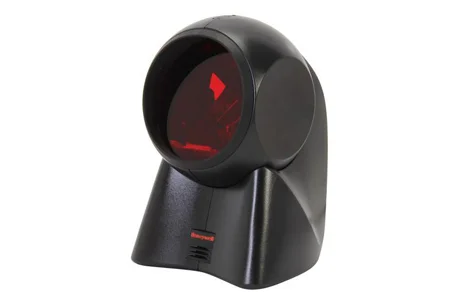
Which Barcode Scanner Features Should You Prioritize in 2026?

Buy barcode scanners online UAE

Walk into any warehouse, retail store, or logistics hub today, and you’ll find barcode scanners doing the heavy lifting. But not every scanner earns its place. In a market packed with options, knowing what separates a capable device from a costly mistake matters more than ever. If you’re planning to buy barcode scanners online in the UAE, this guide breaks down the features worth your attention- and the ones you can safely skip. Stay with us through the end; the last section might change how you shop.

Decoding the Basics: What Is a Barcode Scanner, Really?

A barcode scanner is a device that uses light- laser, LED, or image-based- to read printed or digital codes and convert them into data your system can process. Think of it as a translator between the physical world and your software. The better the scanner, the faster and more accurately that translation happens.


Feature 1- Scan Engine Type: Laser vs. Imager

The engine inside your scanner determines everything from read speed to scan angle. Laser scanners are fast on 1D barcodes but struggle with damaged or curved labels. Imager-based scanners, both 1D and 2D, capture the entire code as a picture, making them more flexible. For mixed inventory environments, an area imager wins every time. It reads QR codes, damaged labels, and codes on screens without breaking stride.


Feature 2- Connectivity: Wired, Wireless, or Bluetooth?

Your scanner needs to talk to your system. How it does that shapes your entire workflow. USB scanners are reliable and affordable for stationary setups. You get the freedom of movement within a short range with Bluetooth scanners, which makes them ideal for smaller spaces. For warehouses with wide floor plans, opt for scanners with 2.4GHz wireless connectivity- they hold signals across longer distances and don’t drop data mid-scan.


Feature 3- Reading Range and Depth of Field

A scanner that can’t reach the barcode on your tallest shelf is more frustrating than a tool. Short-range scanners work well at checkout counters and desk setups. Medium to long-range scanners are built for warehouse shelving, distribution centers, and outdoor inventory work. Always check the depth of field specification- it tells you the minimum and maximum scanning distance the device can handle accurately.


Feature 4- Durability Ratings and Drop Resistance

In real-world use, scanners get dropped. Budget for one that survives it. Look for an IP rating (Ingress Protection) that covers dust and moisture. For industrial environments, choose scanners rated IP54 or above. Drop resistance ratings matter too- a scanner certified for 1.5-meter drops handles daily warehouse use comfortably. By spending slightly more upfront, you can protect yourself from replacement costs down the line.


Feature 5- Software Compatibility and Integration

The most powerful scanner becomes useless if it doesn’t talk to your existing system. Check whether the scanner supports the HID (Human Interface Device) protocol, which makes it plug-and-play with most software. For ERP or inventory management platforms, SDK support matters. Some vendors also offer companion software. Think of compatibility the way you’d think of business card printing in Dubai– the design means nothing if it doesn’t match your brand’s communication system.


Feature 6- Battery Life for Wireless Models

Dead batteries in the middle of a shift cost you more than time- they cost accuracy. For cordless scanners, look for a minimum of 12-hour battery life per charge with fast-recharge capability. Hot-swappable batteries are a bonus for operations that run 24-hour shifts. Check the standby time too- scanners that drain quickly during idle periods become an operational headache fast.


Final Word: Scan Smarter, Not Just Faster

Choosing the right barcode scanner is less about chasing specs and more about matching the device to your environment, software, and volume. Prioritize scan engine quality, connectivity range, durability, and integration before anything else. When you’re ready to buy barcode scanners online in the UAE, take this checklist with you- and you’ll make a decision you won’t need to revisit next year.


Frequently Asked Questions

Can one barcode scanner read both 1D and 2D codes?

Yes, 2D imager-based scanners read both formats. They handle QR codes, Data Matrix, and traditional barcodes without needing separate devices or additional configuration.


What is the difference between Bluetooth and 2.4GHz wireless scanners?

Bluetooth pairs directly with devices over short distances, while 2.4GHz scanners use a USB dongle and maintain a stronger signal across larger warehouse-scale environments.


Are barcode scanners compatible with all kinds of operating systems?

Most HID-compliant scanners work across Windows, Mac, and Linux. Always verify SDK or driver availability if your system runs custom or proprietary software.


How often should barcode scanners be replaced?

With proper care, quality scanners last five to seven years. High-volume industrial settings may require earlier replacement due to physical wear on the scan window.


Is scanner resolution important for reading small barcodes?

Absolutely. High-resolution imagers handle micro barcodes on components or pharmaceutical packaging with accuracy that standard-resolution scanners simply cannot match.


“`html

“`